Sleepspa – Are Spring Mattresses Better Than Foam Mattresses?
Choosing the right mattress often comes down to a simple comparison: spring vs foam. Walk into any mattress store or browse online, and these two

Choosing the right mattress often comes down to a simple comparison: spring vs foam. Walk into any mattress store or browse online, and these two options dominate the conversation. Some people swear by the traditional bounce of spring mattresses, while others prefer the body-hugging comfort of foam.
So which one is actually better?
The truth is, both spring and foam mattresses have their own strengths. The best choice depends on how you sleep, what kind of support your body needs, and even the climate you live in.
Let’s break down the differences so you can understand which one might suit your sleep style best.
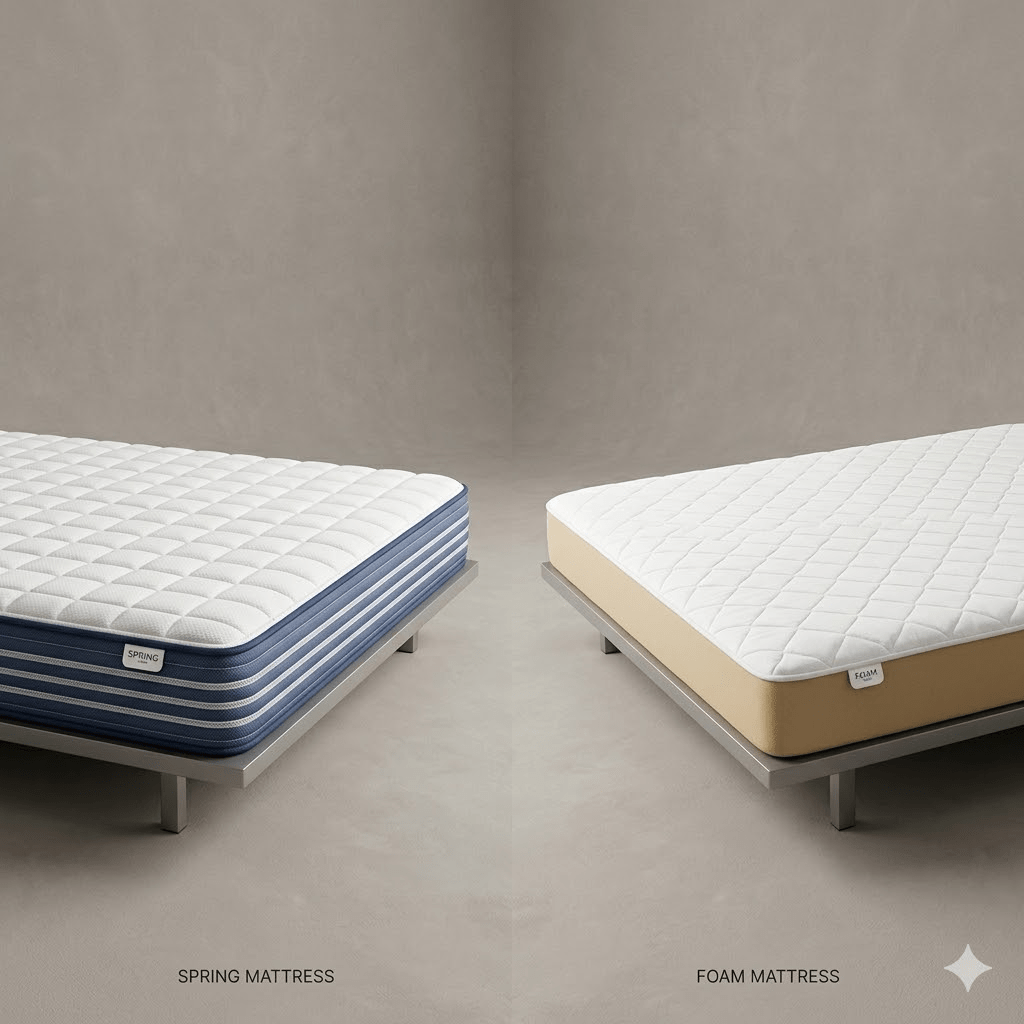
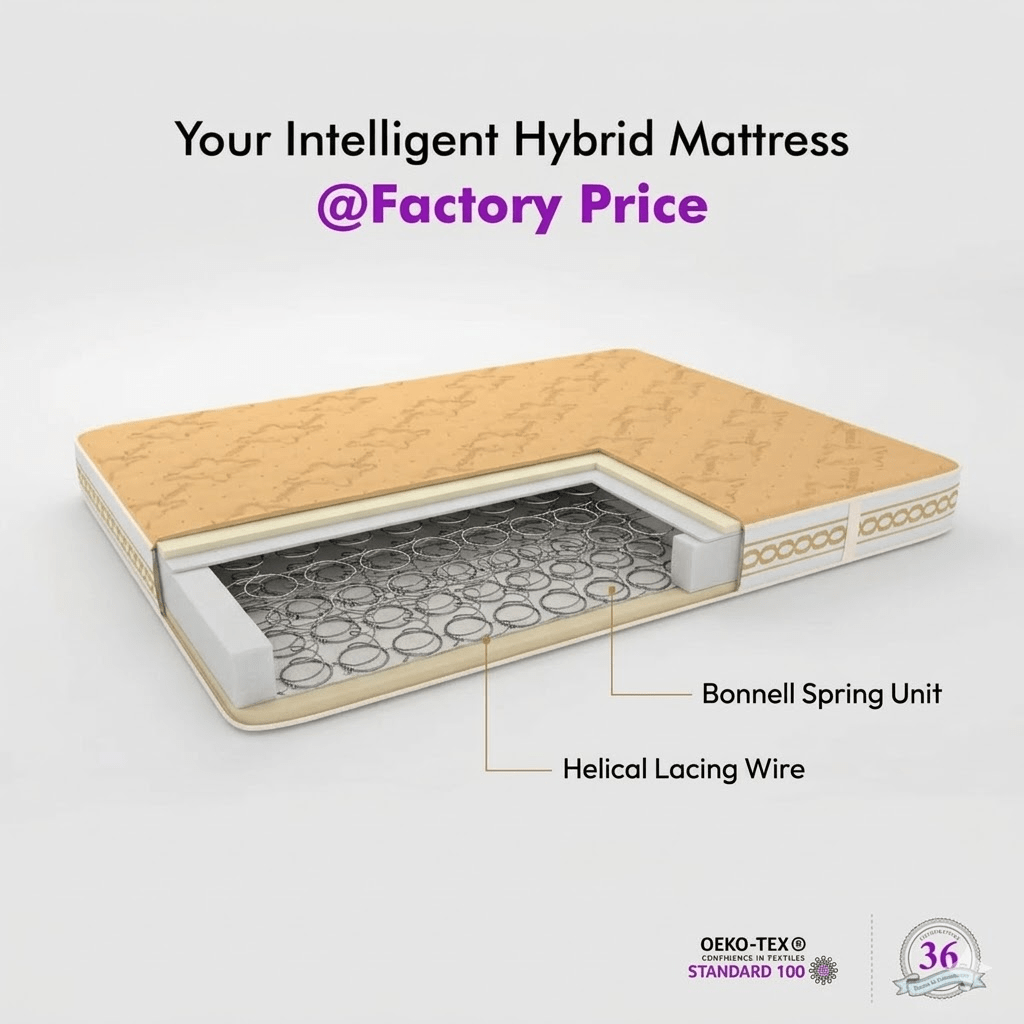
Spring mattresses, also known as innerspring mattresses, have been around for decades. They use metal coils inside the mattress core to provide support and responsiveness.
When you lie down on a spring mattress, the coils compress and push back against your body. This creates a bouncy and responsive feel that many sleepers find comfortable.
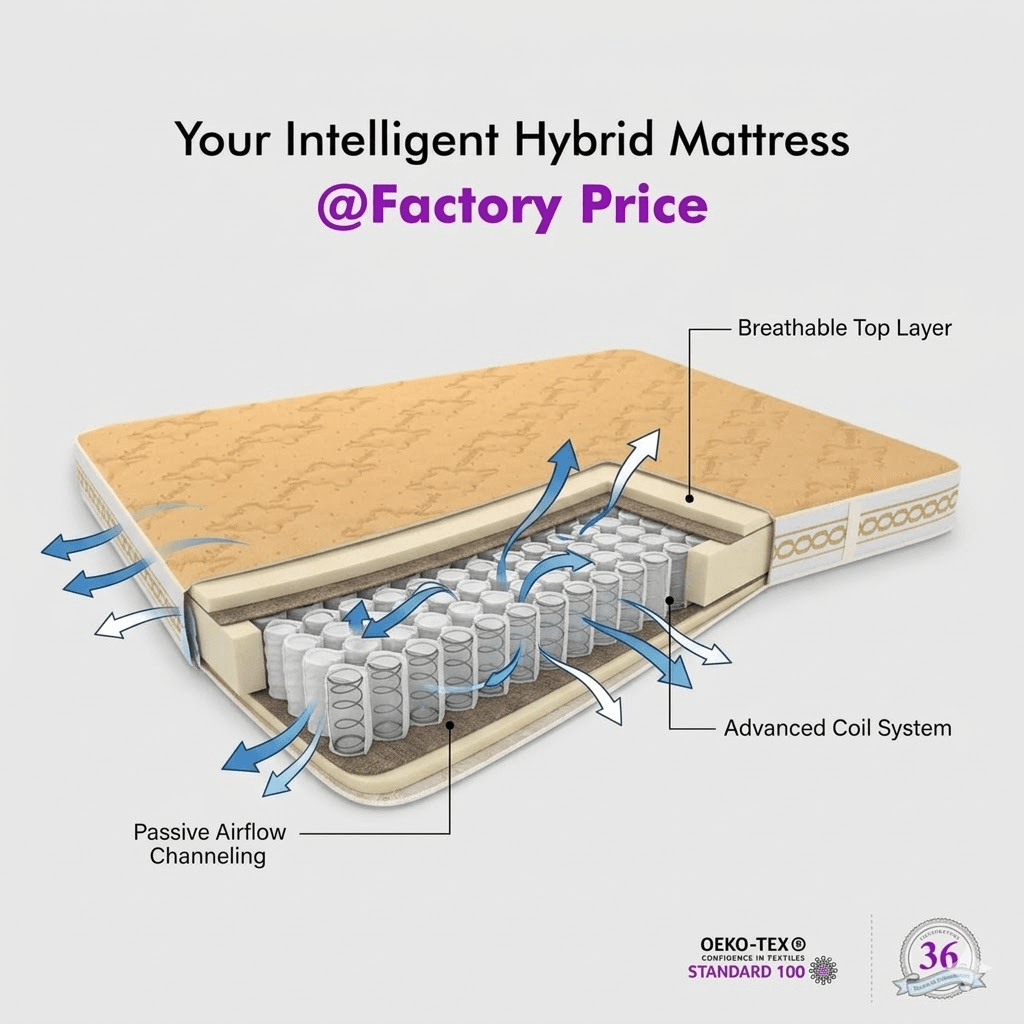
Because of the space between the coils, air can move freely through the mattress, making spring mattresses naturally breathable.
Many sleepers still prefer spring mattresses because of these benefits:
1. Strong airflow
The open structure allows better ventilation, which can keep the mattress cooler.
2. Responsive support
The mattress quickly adapts to movement, making it easier to change positions during sleep.
3. Edge support
Most spring mattresses offer sturdy edges, which helps when sitting or getting out of bed.
Foam mattresses rely on layers of foam materials rather than metal springs. These layers may include polyurethane foam, memory foam, or high-density support foam.
Unlike spring mattresses that push back quickly, foam mattresses contour around the body. This allows them to distribute weight more evenly and reduce pressure points.
For many sleepers, foam creates a softer and more cushioned sleep surface.
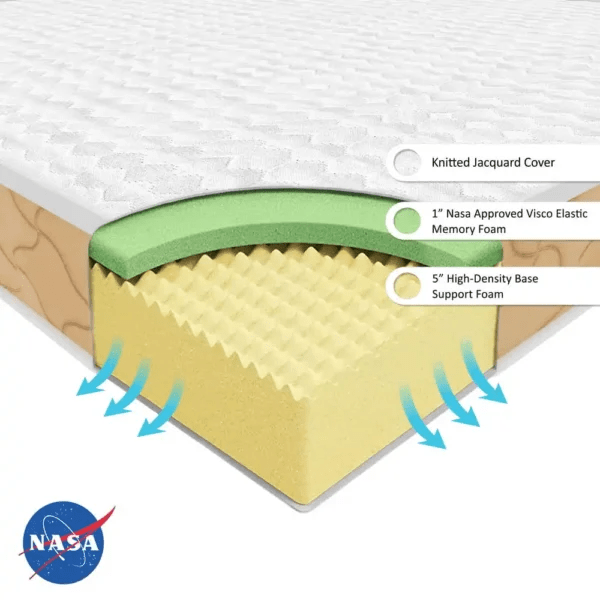
Foam mattresses are popular for several reasons:
1. Pressure relief
Foam molds around the body and reduces pressure on shoulders, hips, and joints.
2. Motion isolation
Movement on one side of the bed is less likely to disturb someone sleeping on the other side.
3. Quiet sleep surface
Without metal springs, foam mattresses are typically silent.
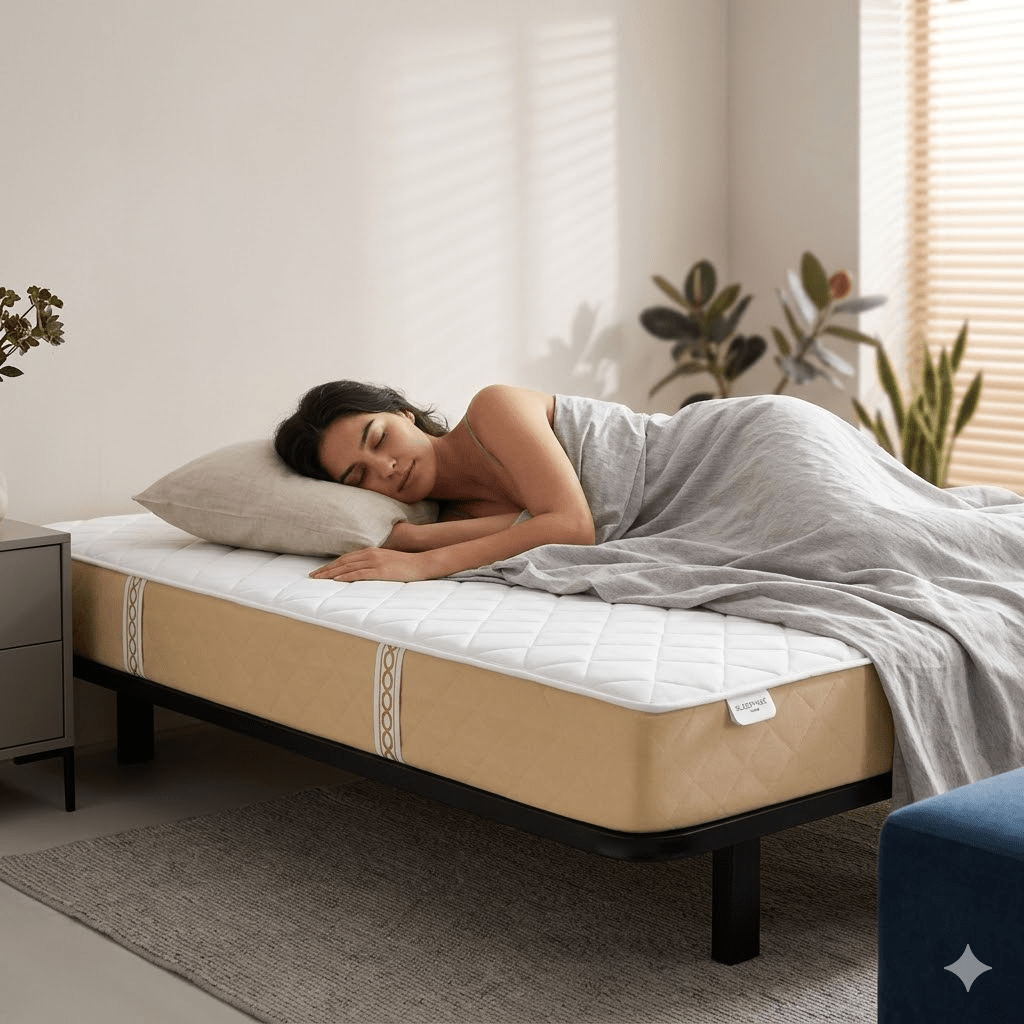
Comfort is one of the biggest differences between spring and foam mattresses.
Spring mattresses usually feel firmer and more responsive.
Foam mattresses tend to feel softer and more contouring.
People who move frequently during sleep often prefer spring mattresses because the bounce makes it easier to shift positions.
On the other hand, people who like a cradling sensation often lean toward foam.
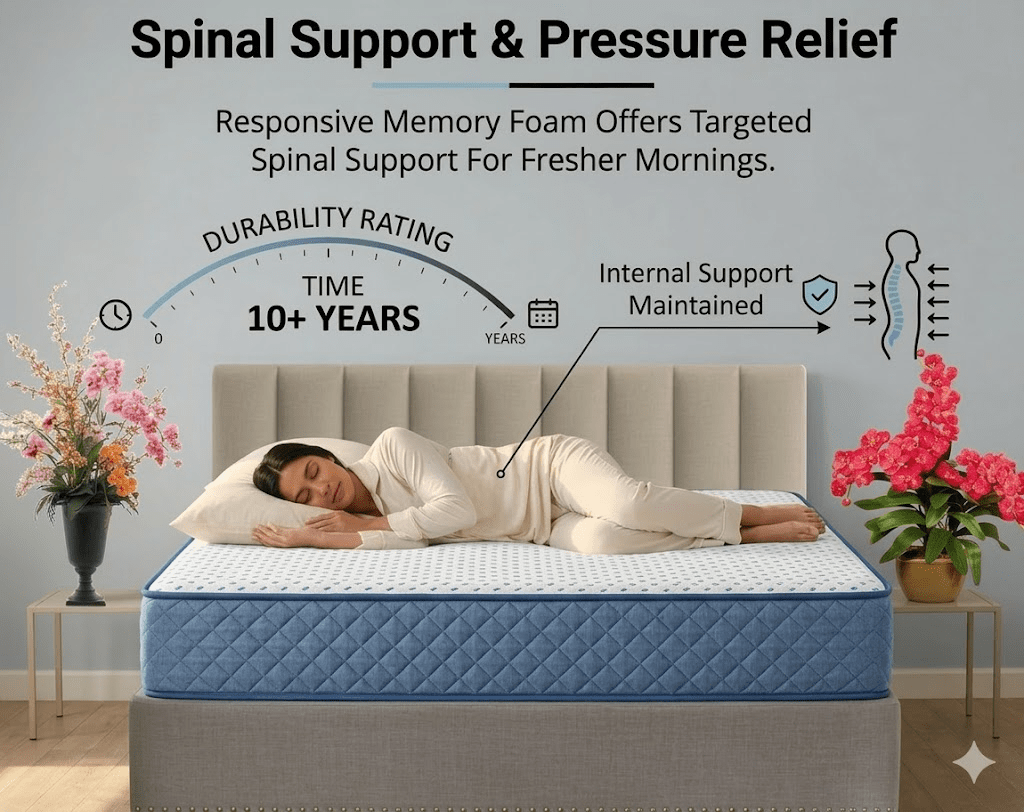
Durability can vary depending on materials and construction quality.
Spring mattresses may gradually lose tension in the coils over time, which can cause uneven support. Foam mattresses can also develop indentations after years of use if the foam density is low.
Higher-quality mattresses in both categories tend to last longer, especially when they use strong support layers and durable materials.
There isn’t a universal answer because sleep preferences vary from person to person.
A spring mattress may be better if you:
A foam mattress may suit you if you:
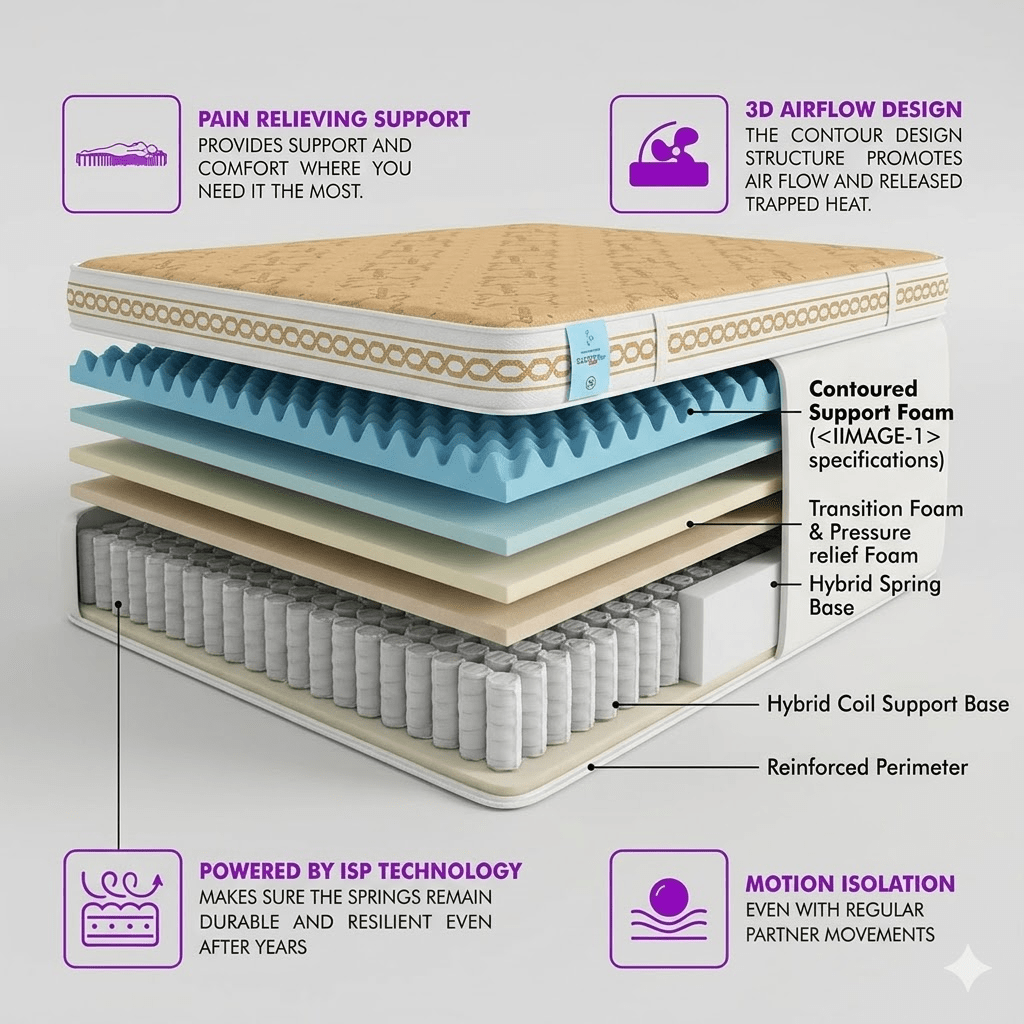
In many cases, people choose hybrid mattresses that combine springs with foam layers, offering a balance of support and comfort.
So, are spring mattresses better than foam mattresses?
Not necessarily — they simply provide different sleep experiences.
Spring mattresses deliver responsive support, airflow, and bounce. Foam mattresses offer pressure relief, contouring comfort, and motion isolation.
The best mattress is the one that keeps your spine aligned, pressure points supported, and sleep uninterrupted.
Because when your mattress matches your body’s needs, better sleep often follows naturally.
| Offers | Details | Validity |
|---|---|---|
|
Cardless EMI |
Avail Early Salary Cardless EMI |
31/12/2025 |
|
|
Avail EMI on All Credit Cards |
31/12/2025 |
|
|
Avail EMI on HDFC Debit Card |
31/12/2025 |
|
|
2% Off upto Rs. 500 on CC/DC Min Amount- Rs.5,000 |
31/12/2025 |
|
|
2% Off upto Rs. 500 on CC/DC Min Amount- Rs.5,000 |
31/12/2025 |
|
|
2% Off upto Rs. 500 on CC/DC Min Amount- Rs.5,000 |
31/12/2025 |
|
|
2% Off upto Rs. 500 on CC/DC Min Amount- Rs.5,000 |
31/12/2025 |
|
|
2% Off upto Rs. 500 on CC/DC Min Amount- Rs.5,000 |
31/12/2025 |
|
|
2% Off upto Rs. 500 on CC/DC Min Amount- Rs.5,000 |
31/12/2025 |
|
|
2% Off upto Rs. 500 on CC/DC Min Amount- Rs.5,000 |
31/12/2025 |
|
|
2% Off upto Rs. 500 on CC/DC Min Amount- Rs.5,000 |
31/12/2025 |