Best Affordable Bonnell Spring Mattress in India: A Practical Guide to Comfortable Everyday Sleep
When you’re buying a mattress for everyday use, comfort is important—but so is the price. For many Indian households, the goal is simple: find a

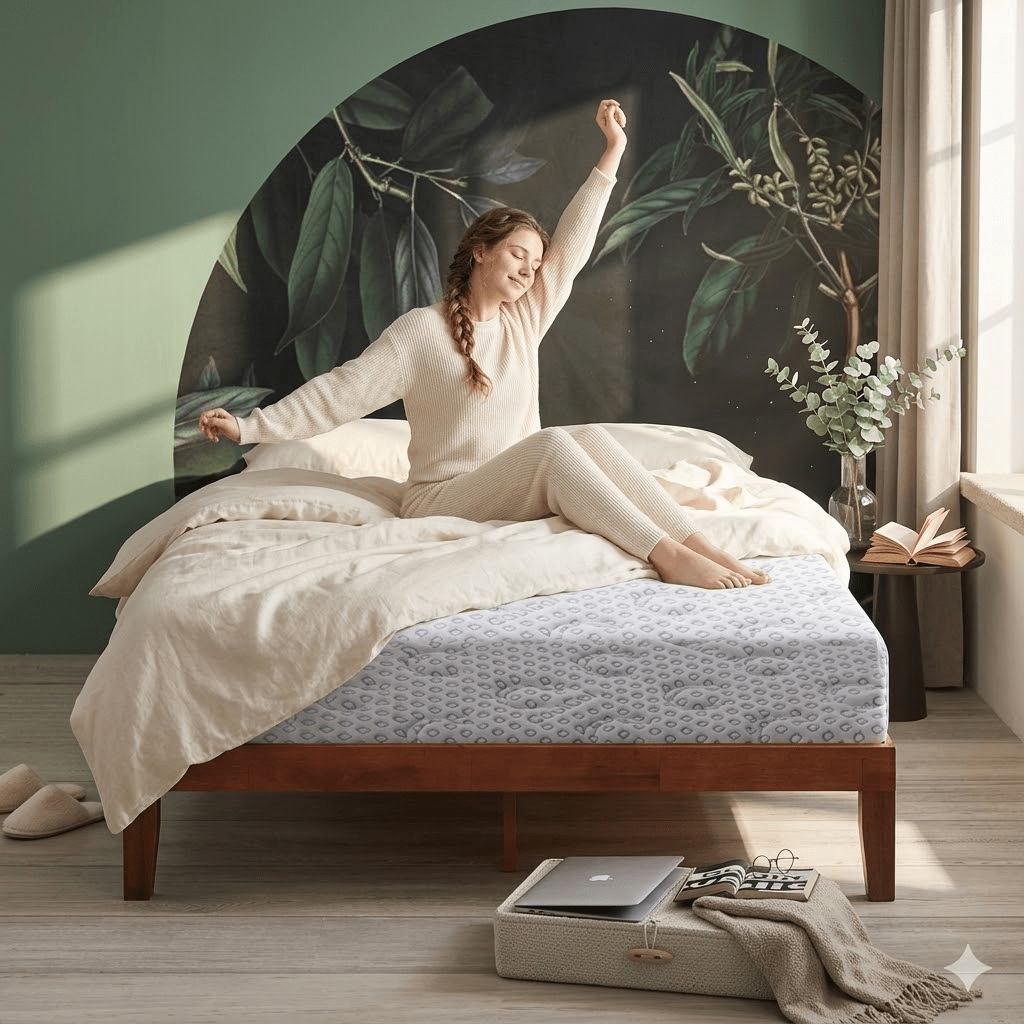
Back pain has a strange way of creeping into daily life. Sometimes it starts with a dull stiffness in the morning. Other times it’s that uncomfortable ache after sitting too long or sleeping in the wrong position.
For many people, the mattress becomes the silent suspect. After all, we spend roughly 6–8 hours every night on it, and if the support underneath us isn’t right, the spine pays the price.
That’s why latex mattresses have become part of the conversation when people look for relief. But are they really good for back pain? Let’s explore what sleep experts and research say — and what real sleepers tend to notice.
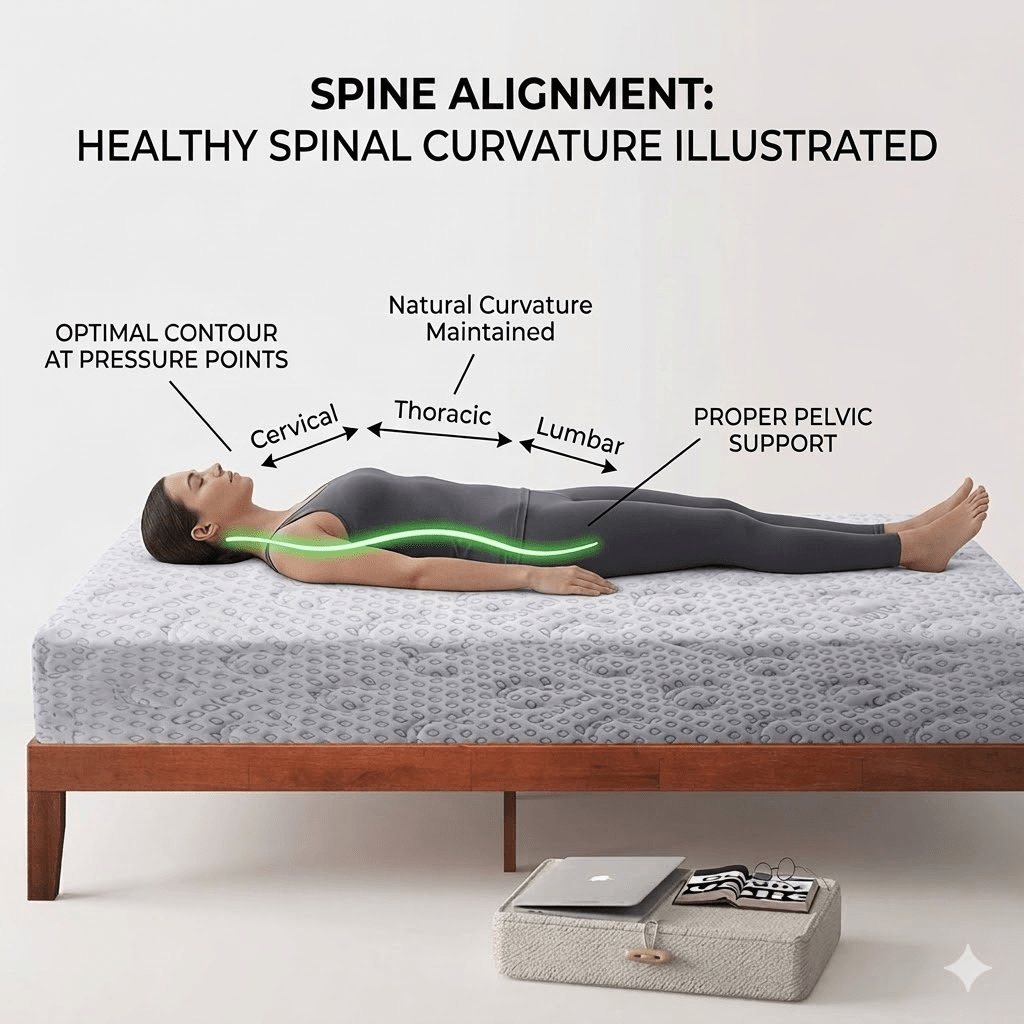
Most people blame their posture, desk job, or heavy lifting for back pain. While those factors do matter, sleep posture plays a huge role too.
When a mattress is too soft or too saggy, the spine bends unnaturally during sleep. When it’s too hard, pressure builds around the shoulders and hips. Over time, this misalignment can contribute to stiffness and discomfort.
Research has shown that poor sleep surfaces can increase pressure points and spinal distortion during sleep.
In simple terms:
If your mattress doesn’t support your body properly, your back muscles stay tense all night instead of relaxing.
Sleep specialists often emphasize balanced support rather than extreme softness or firmness.
Latex mattresses are frequently recommended because they provide a combination of pressure relief and responsive support, helping the spine remain aligned during sleep.
Unlike some foams that allow the body to sink deeply, latex compresses only where needed and pushes back gently to maintain proper posture.
This means:
That balanced support is exactly what many back pain sufferers need.
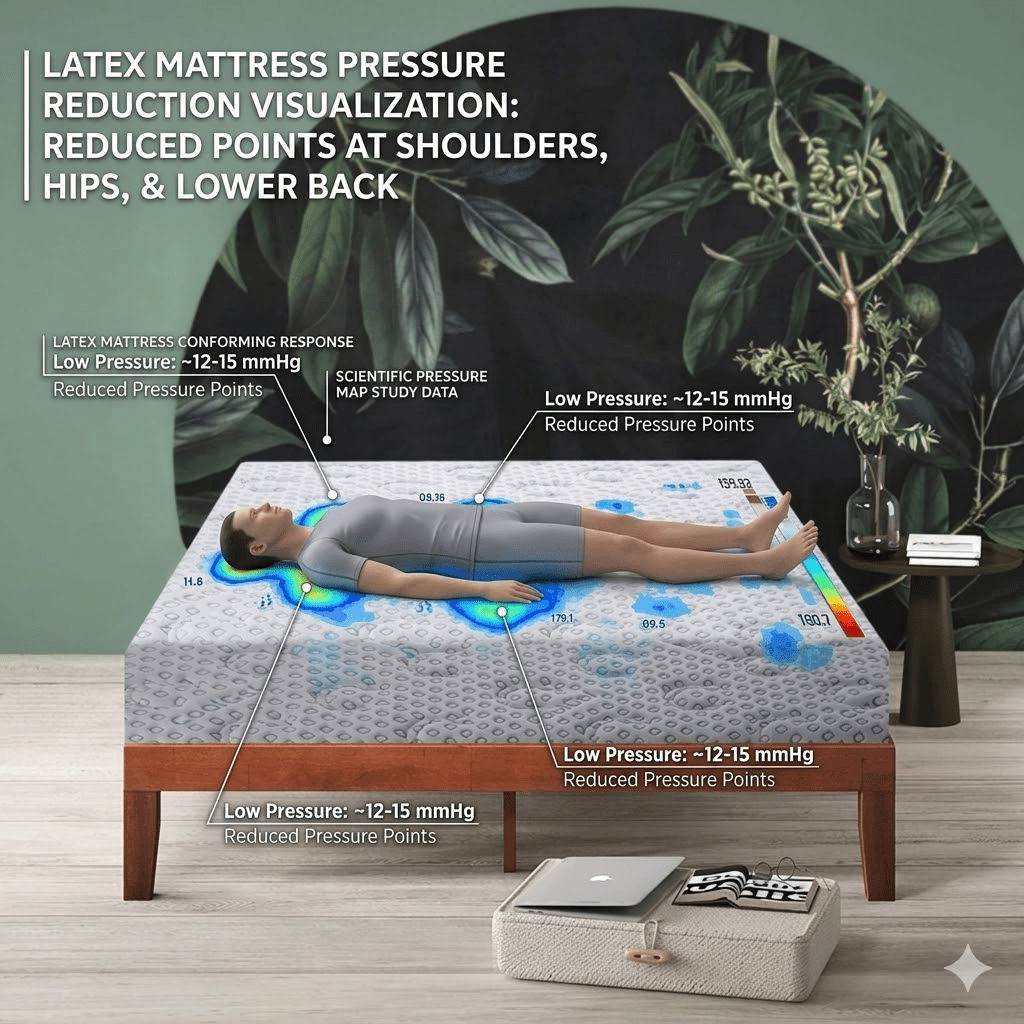
Studies comparing mattress materials found that people lying on latex experienced lower peak pressure points across the torso and hips than those on polyurethane foam mattresses.
Lower pressure means:
This is especially important for side sleepers and people with chronic back discomfort.
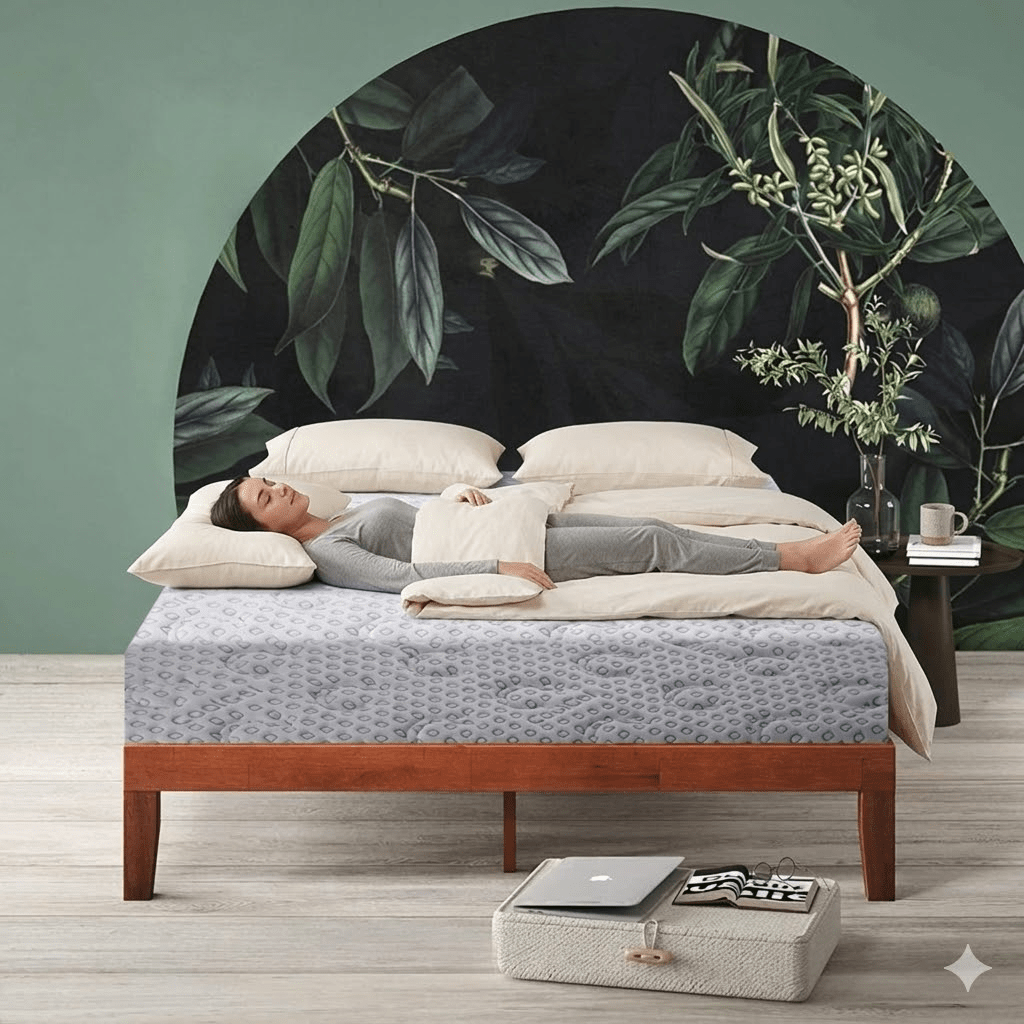
Experts commonly recommend medium-firm mattresses for people with lower back pain.
This firmness level allows:
Latex mattresses naturally fall into this range, offering supportive firmness with slight contouring.
That balance explains why many orthopedic sleep recommendations mention latex among supportive mattress materials.
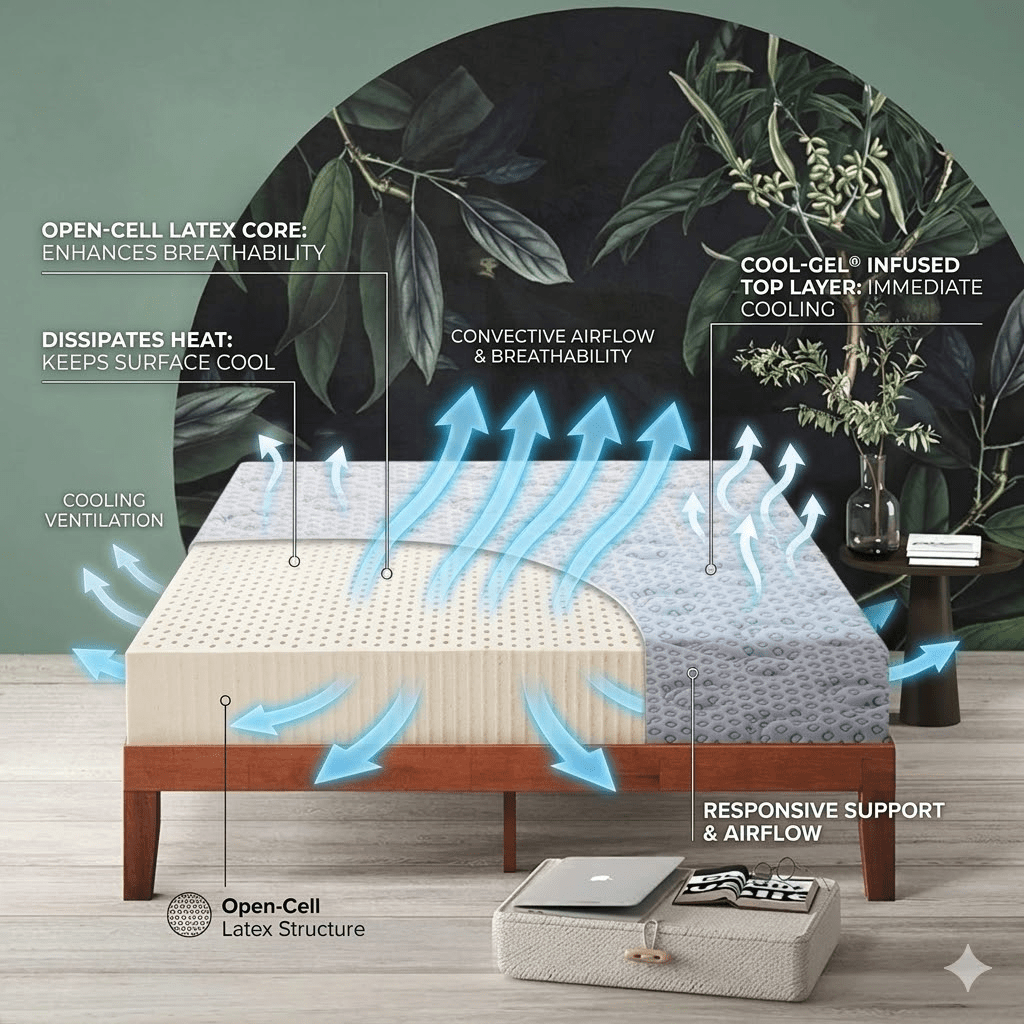
Back pain doesn’t just come from posture — sometimes it’s worsened by restless sleep caused by overheating.
Latex has an open-cell structure that allows air to circulate through the mattress, helping regulate body temperature.
A cooler sleep environment helps muscles relax and reduces tossing and turning, which can aggravate sore areas.
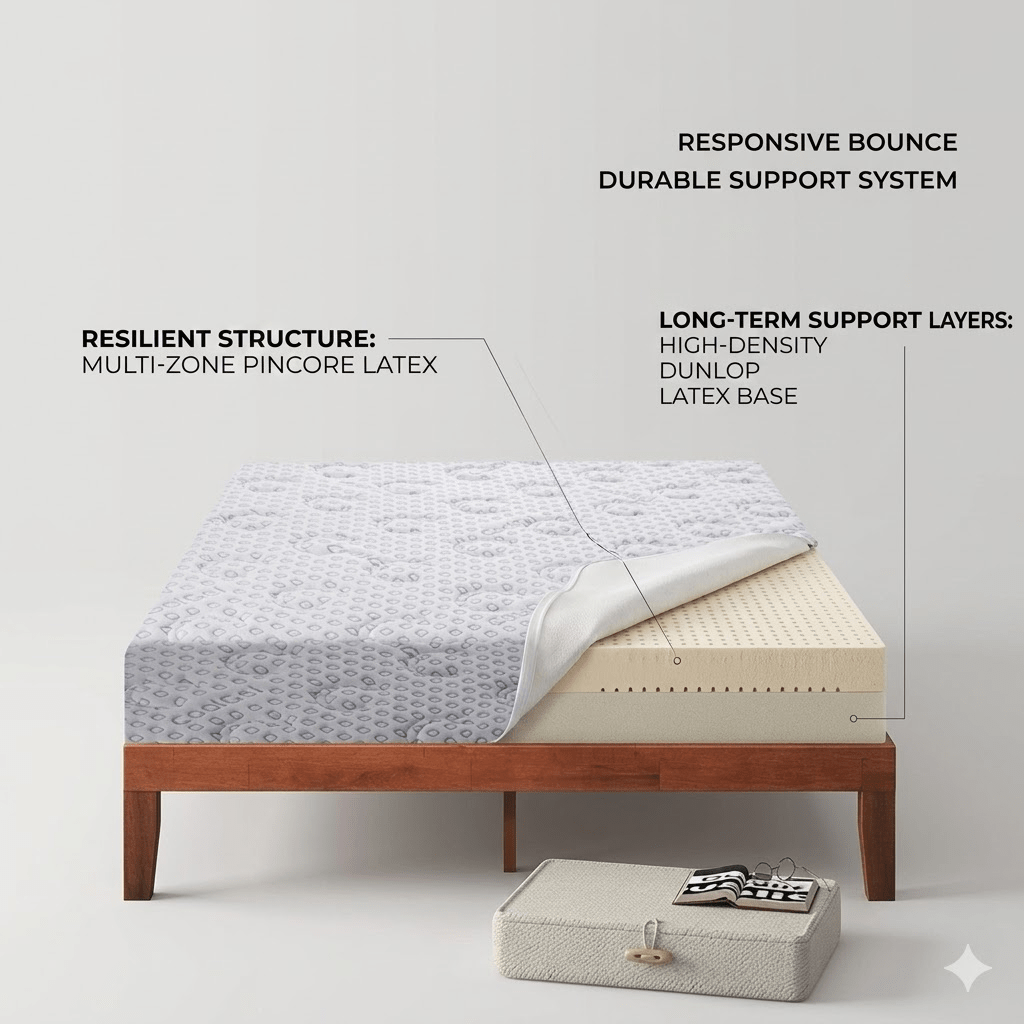
Another reason latex mattresses are often recommended for back pain is durability.
Unlike some foam mattresses that sag after a few years, latex maintains its elasticity and support for a long time.
That consistency matters. A mattress that loses shape can gradually create spinal misalignment during sleep.
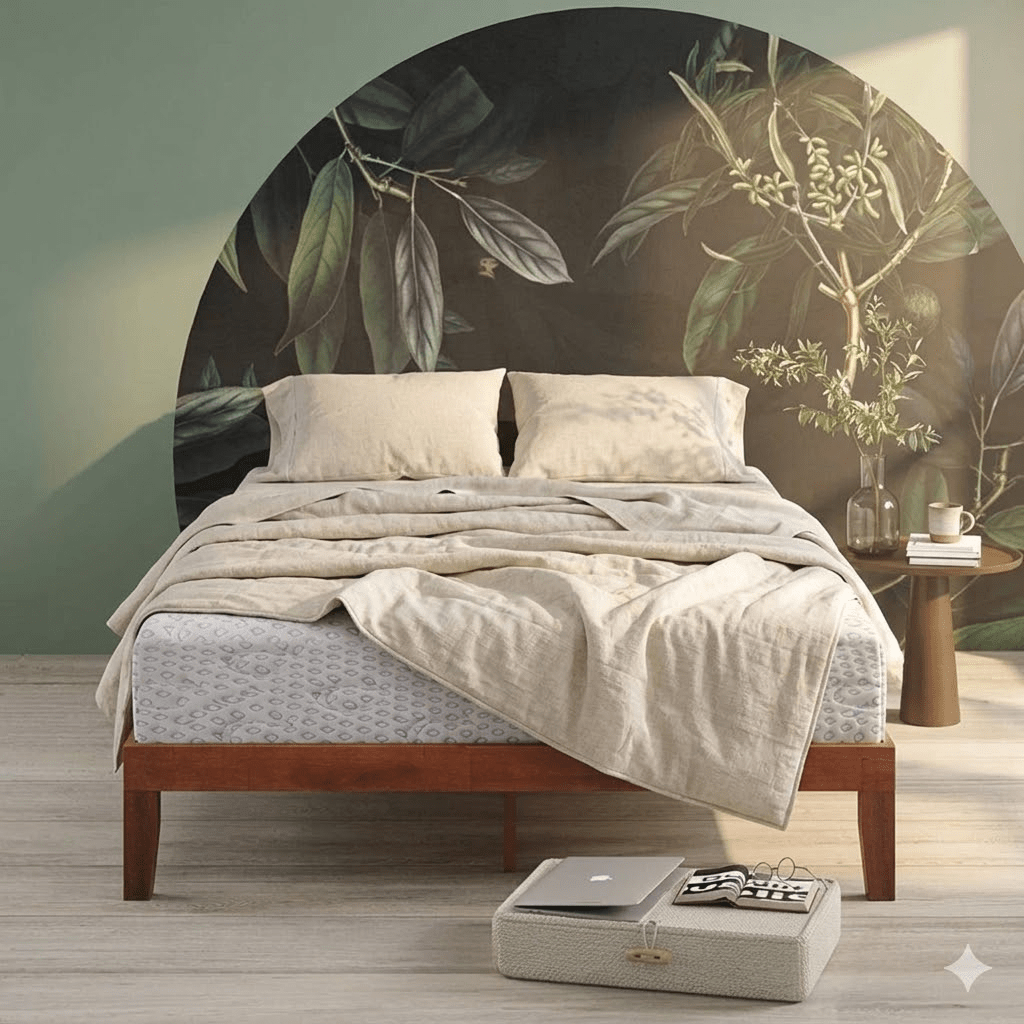
While latex works well for many sleepers, comfort is still personal.
Some people prefer softer contouring, while others need firmer orthopedic support. Body weight, sleeping position, and existing spinal conditions all influence what feels best.
The key takeaway from experts is this:
The right mattress should support your spine while relieving pressure on key areas.
Latex simply happens to achieve that balance for many people.
So, is a latex mattress good for back pain?
In many cases, yes — and that’s why sleep specialists often recommend it. The material naturally offers:
But the real test happens in the morning.
If you wake up feeling relaxed instead of stiff, if your shoulders and hips feel supported, and if your back isn’t complaining anymore — then you’ve probably found the right mattress.
Because sometimes, better sleep isn’t about sleeping longer.
It’s about sleeping on the right surface.


| Offers | Details | Validity |
|---|---|---|
|
Cardless EMI |
Avail Early Salary Cardless EMI |
31/12/2026 |
|
|
Avail EMI on All Credit Cards |
31/12/2026 |
|
|
Avail EMI on HDFC Debit Card |
31/12/2026 |
|
|
2% Off upto Rs. 500 on CC/DC Min Amount- Rs.5,000 |
31/12/2026 |
|
|
2% Off upto Rs. 500 on CC/DC Min Amount- Rs.5,000 |
31/12/2026 |
|
|
2% Off upto Rs. 500 on CC/DC Min Amount- Rs.5,000 |
31/12/2026 |
|
|
2% Off upto Rs. 500 on CC/DC Min Amount- Rs.5,000 |
31/12/2026 |
|
|
2% Off upto Rs. 500 on CC/DC Min Amount- Rs.5,000 |
31/12/2026 |
|
|
2% Off upto Rs. 500 on CC/DC Min Amount- Rs.5,000 |
31/12/2026 |
|
|
2% Off upto Rs. 500 on CC/DC Min Amount- Rs.5,000 |
31/12/2026 |
|
|
2% Off upto Rs. 500 on CC/DC Min Amount- Rs.5,000 |
31/12/2026 |