How Can You Identify a High-Quality Latex Mattress Before Buying?
A Complete Buyer’s Guide to Choosing Comfort, Durability, and Better Sleep with SleepSpa Buying a mattress is one of those decisions that quietly influences your


If you’ve ever had a mattress that started sagging just when you got used to it, you already know this—durability matters more than most people think.
When people look at latex mattresses, one of the first questions that comes up is:
“Will this actually last longer, or is it just another marketing claim?”
Having seen different mattress types over the years—foam, spring, coir—the difference in lifespan isn’t just technical. You feel it over time.
Let’s break it down honestly.
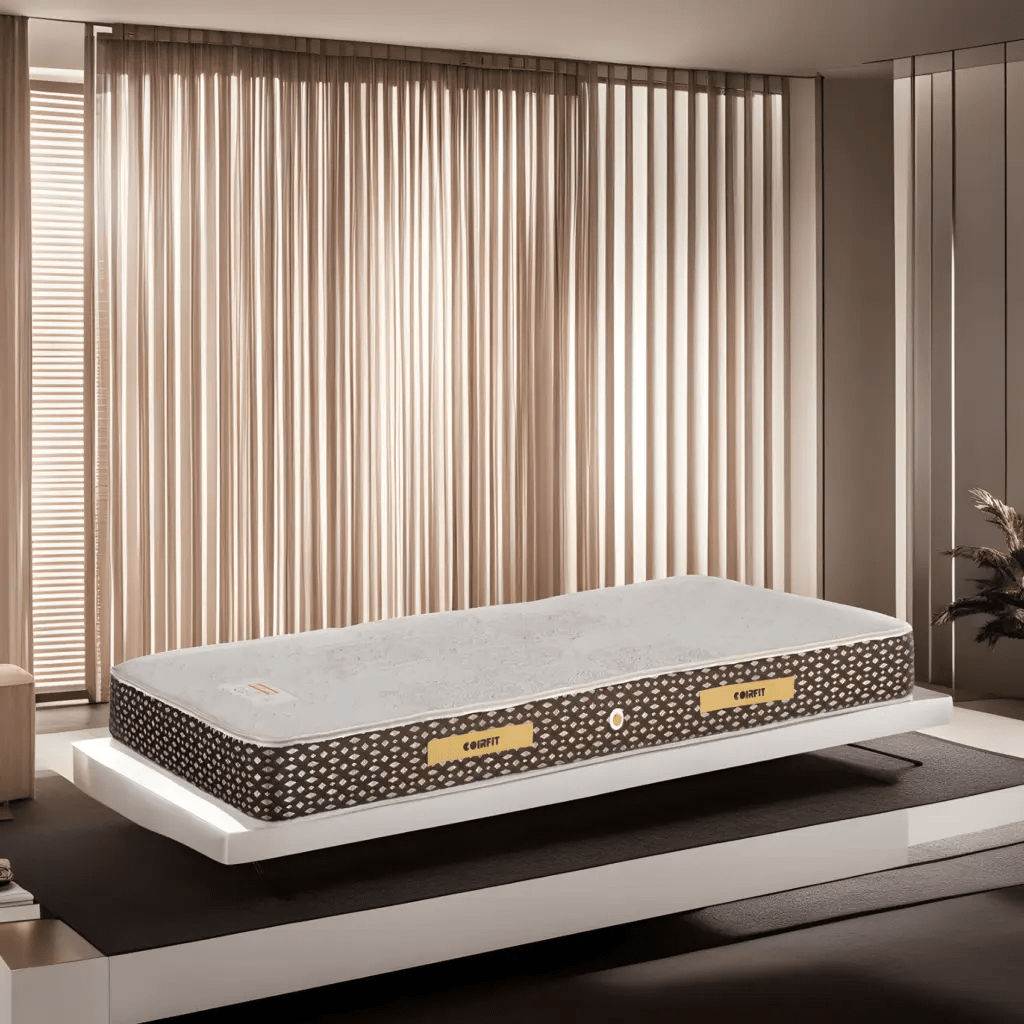
Before comparing types, it helps to understand what actually makes a mattress last—or not.
From real use, a mattress usually wears out because of:
Some materials handle these better than others. That’s where latex stands out.
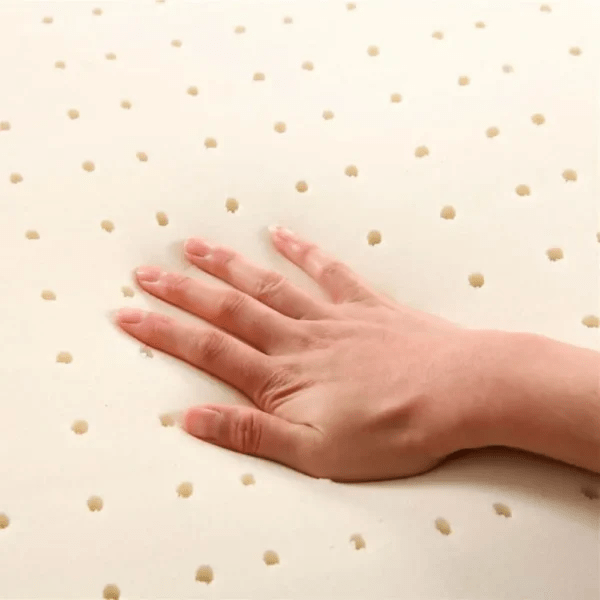
Here’s the simple, experience-backed answer:
👉 A good latex mattress can last 8 to 12 years, sometimes even longer with proper care.
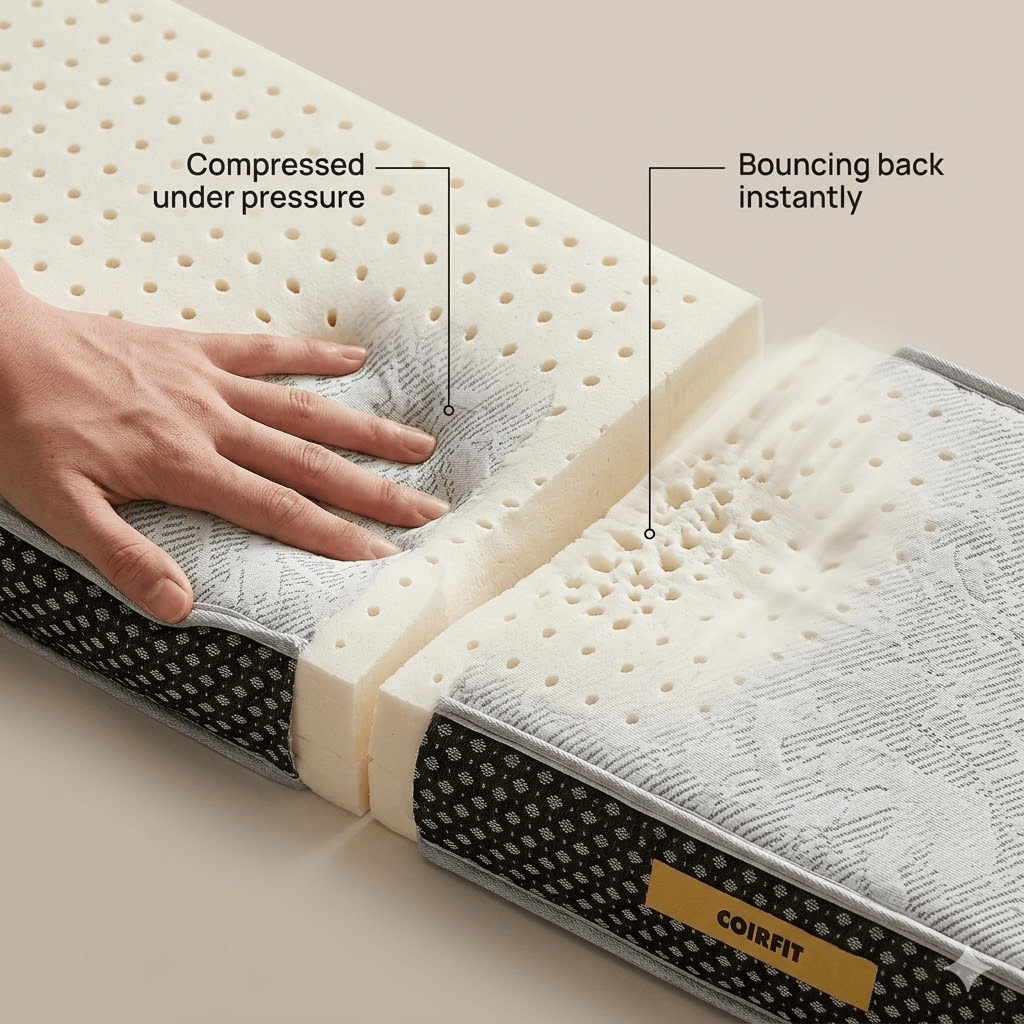
That’s not just theory—you’ll notice that latex:
Sleepspa’s latex mattresses are designed to maintain elasticity and support over time, which is what really extends their lifespan.
Now let’s look at how latex stacks up against other common options.
Typical lifespan: 5–8 years
Memory foam feels great in the beginning—it hugs your body and relieves pressure. But over time:
👉 You’ll often notice it losing its “feel” before it actually looks damaged.
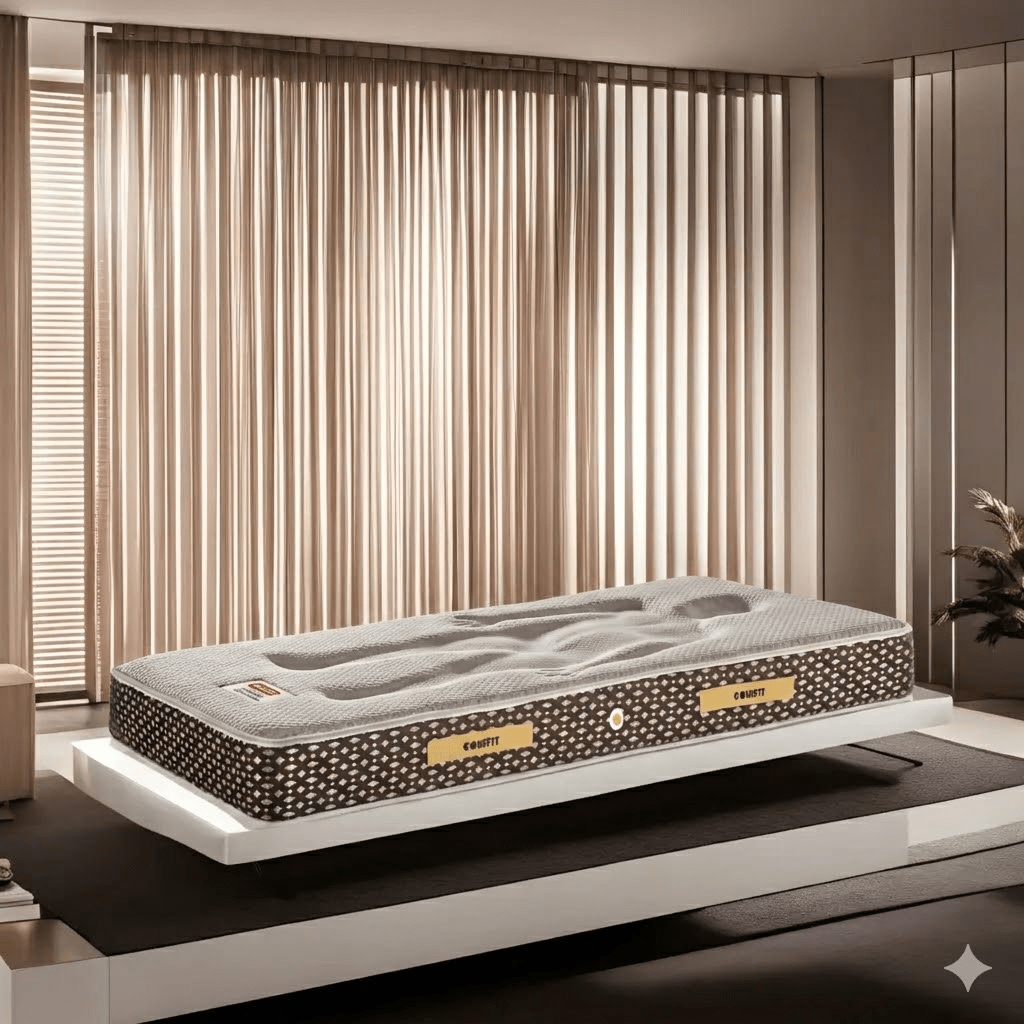
Typical lifespan: 6–8 years
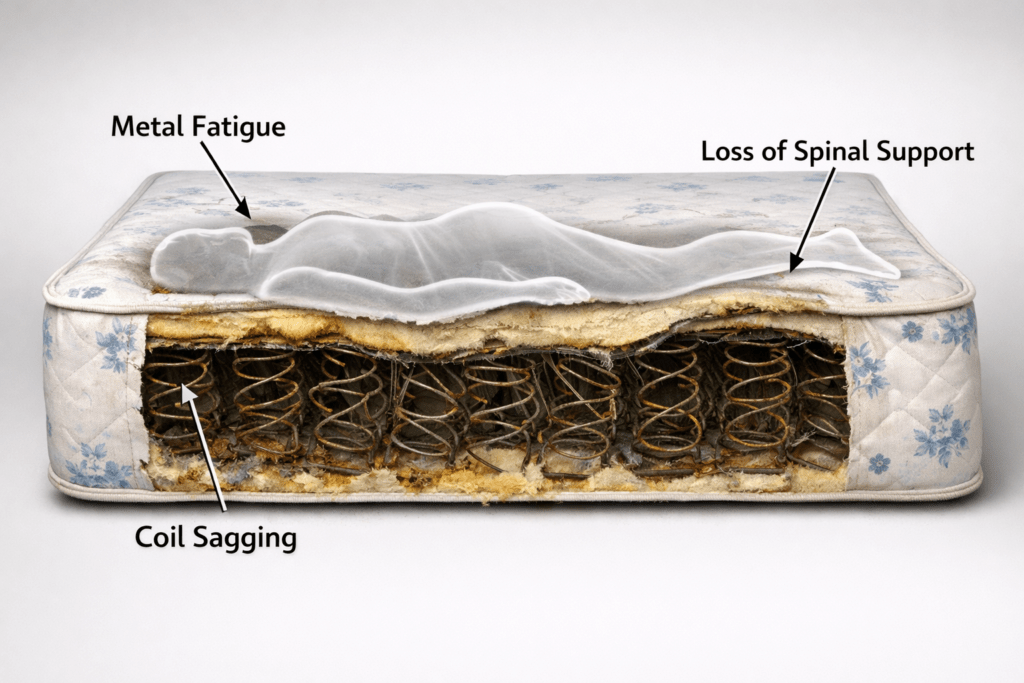
Spring mattresses hold up fairly well, especially good-quality ones. But over time:
👉 The comfort layer usually wears out before the springs fully fail.
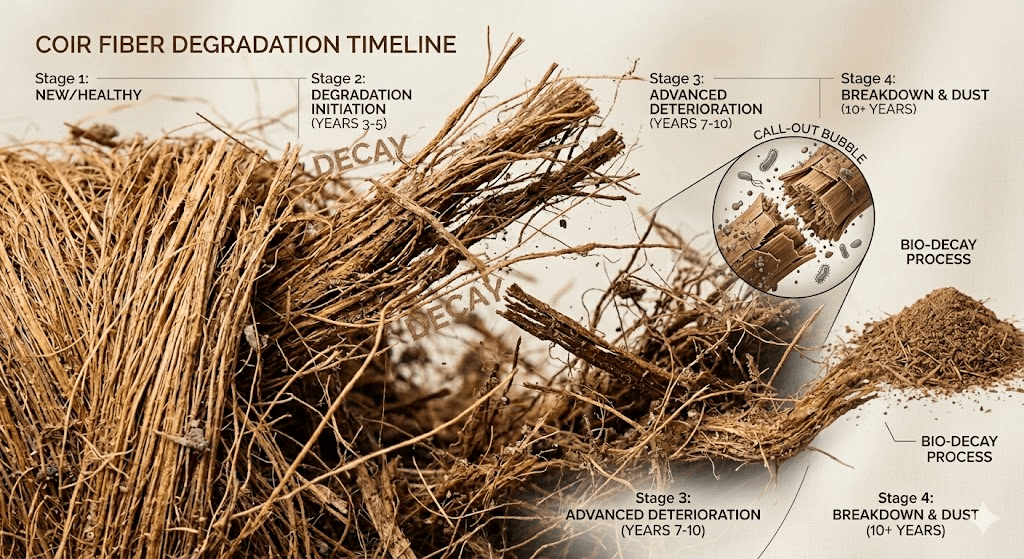
Typical lifespan: 4–7 years
Coir mattresses are firm and breathable, which is great—but:
👉 They work well short-term, but not always as a long-term solution.
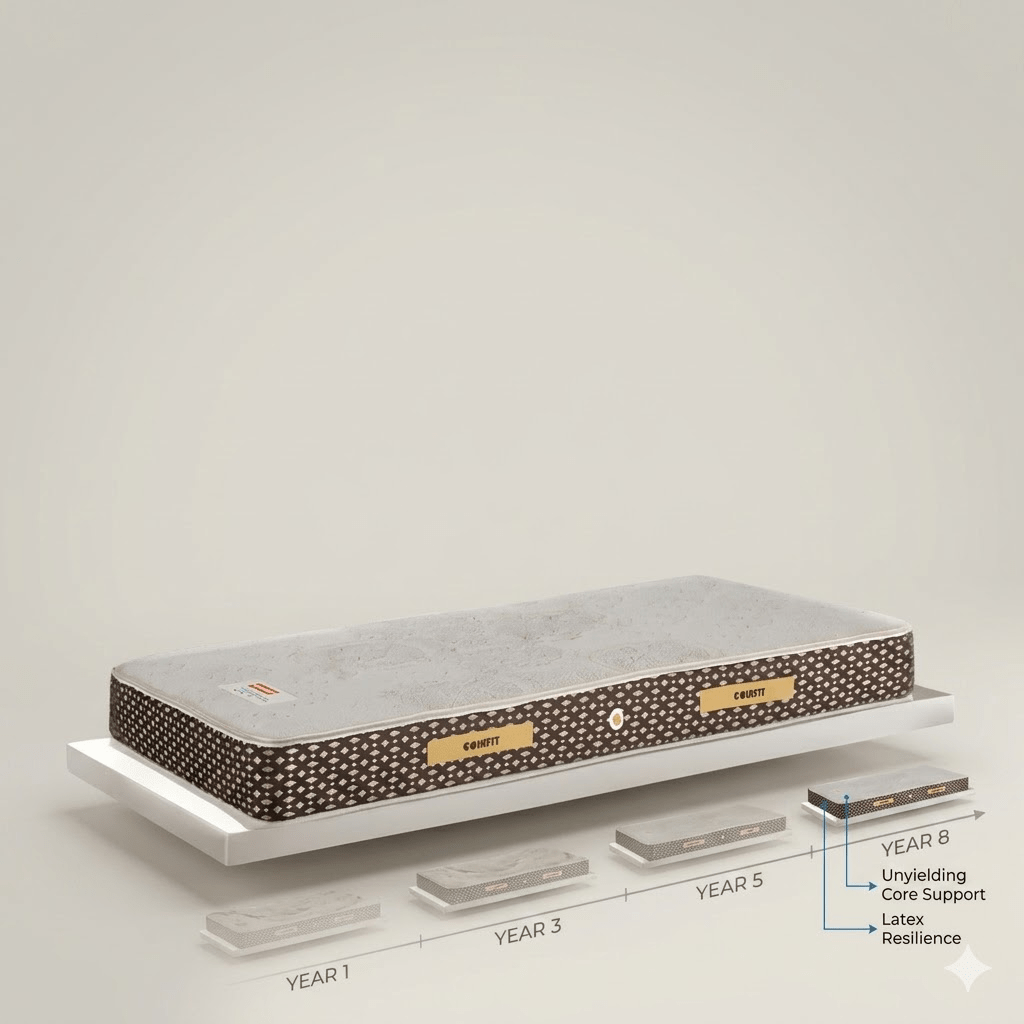
Here’s the part most people don’t talk about clearly.
Latex is naturally:
So instead of “wearing out,” it ages slowly and evenly.
That’s why even after years, it still feels… familiar.
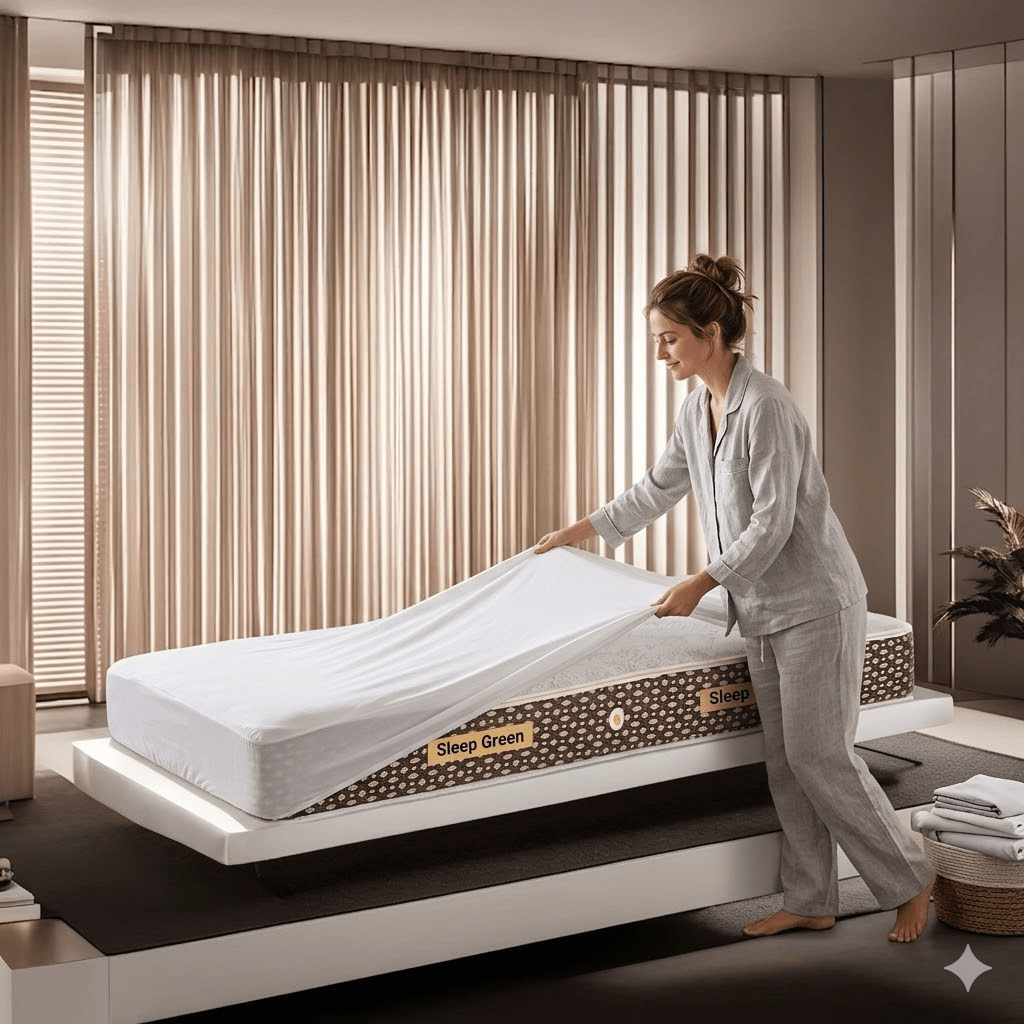
Even the best mattress needs a little care.
Simple habits that make a big difference:
With latex, these small steps can easily push its lifespan beyond a decade.
So, how long does a latex mattress last compared to others?
But here’s the real takeaway:
It’s not just about how long a mattress lasts.
It’s about how long it feels good to sleep on.
And that’s where latex quietly stands out.
Because when a mattress still feels supportive after years—and you don’t wake up thinking about your back—that’s when you know it was worth it.


| Offers | Details | Validity |
|---|---|---|
|
Cardless EMI |
Avail Early Salary Cardless EMI |
31/12/2026 |
|
|
Avail EMI on All Credit Cards |
31/12/2026 |
|
|
Avail EMI on HDFC Debit Card |
31/12/2026 |
|
|
2% Off upto Rs. 500 on CC/DC Min Amount- Rs.5,000 |
31/12/2026 |
|
|
2% Off upto Rs. 500 on CC/DC Min Amount- Rs.5,000 |
31/12/2026 |
|
|
2% Off upto Rs. 500 on CC/DC Min Amount- Rs.5,000 |
31/12/2026 |
|
|
2% Off upto Rs. 500 on CC/DC Min Amount- Rs.5,000 |
31/12/2026 |
|
|
2% Off upto Rs. 500 on CC/DC Min Amount- Rs.5,000 |
31/12/2026 |
|
|
2% Off upto Rs. 500 on CC/DC Min Amount- Rs.5,000 |
31/12/2026 |
|
|
2% Off upto Rs. 500 on CC/DC Min Amount- Rs.5,000 |
31/12/2026 |
|
|
2% Off upto Rs. 500 on CC/DC Min Amount- Rs.5,000 |
31/12/2026 |